← All resources
GETTING STARTED
Does my child need occupational therapy? 10 signs to look for
Every child grows at their own pace, but sometimes everyday tasks feel harder for them. Here are ten signs that a chat with a paediatric occupational therapist might help.
By Together We Grow Kids OT · 6 min read
Occupational therapy (OT) helps children build the everyday skills they need to play, learn, socialise and become more independent. As a paediatric OT service across South West Sydney, one of the most common questions we hear from parents is simply: "How do I know if my child needs support?"
There's no single answer, but the signs below are worth paying attention to. Noticing a few of them doesn't mean anything is "wrong". It just means a conversation could help.
10 signs worth a conversation
01
Difficulty with fine motor tasks
Struggles with holding a pencil, using scissors, doing up buttons or building with small pieces.
02
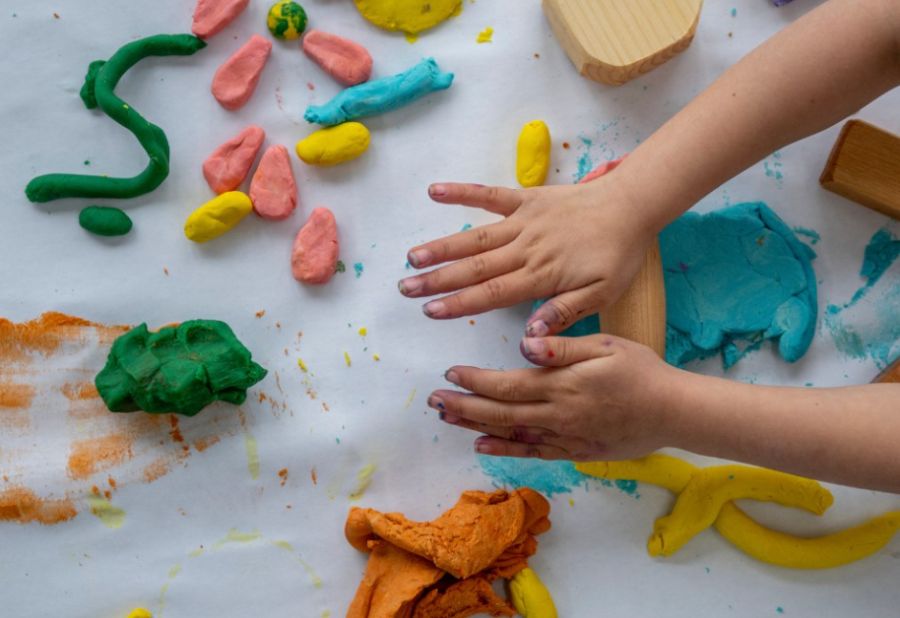
Avoiding messy or textured play
Strong reactions to sand, paint, glue, grass or getting hands dirty.
03
Big feelings that are hard to settle
Frequent meltdowns, difficulty calming down, or becoming easily overwhelmed.
04
Sensory sensitivities
Covering ears at everyday sounds, distress with clothing tags, or seeking constant movement.
06
Delays in self-care
Finding dressing, toileting, sleep or brushing teeth harder than peers of the same age.
07
Clumsiness or coordination difficulties
Bumping into things, frequent falls, or trouble with stairs, balls and playground equipment.
08
Trouble with attention
Difficulty staying with an activity, following instructions, or sitting for a task.
09
Play & social differences
Finding it hard to join in, share, take turns, or engage in back-and-forth play.
Every child develops differently
Children reach milestones at their own pace, and a single sign on its own is rarely cause for concern. But if several feel familiar, or if your gut tells you something is worth exploring, early support makes a real difference. Early intervention (particularly 0–9 years) is where small changes have the biggest impact.
Our approach is neuro-affirming and strengths-based: we start with what your child can do and build from there. See how our assessment and therapy works →