SENSORY
Sensory processing in children, explained simply
Why does my child cover their ears, spin in circles, or melt down over a clothing tag? A gentle introduction to how children take in the world.
By Together We Grow Kids OT · 6 min read
Why does my child cover their ears, spin in circles, or melt down over a clothing tag? A gentle introduction to how children take in the world.
Sensory processing is how our brains take in information from the world and the body, make sense of it, and respond. Most of the time it happens automatically. But for some children, the volume on certain senses is turned up too high, or too low, which shapes how they behave, play and feel.
Alongside sight, sound, smell, taste and touch, there are three "hidden" senses that matter enormously for children:
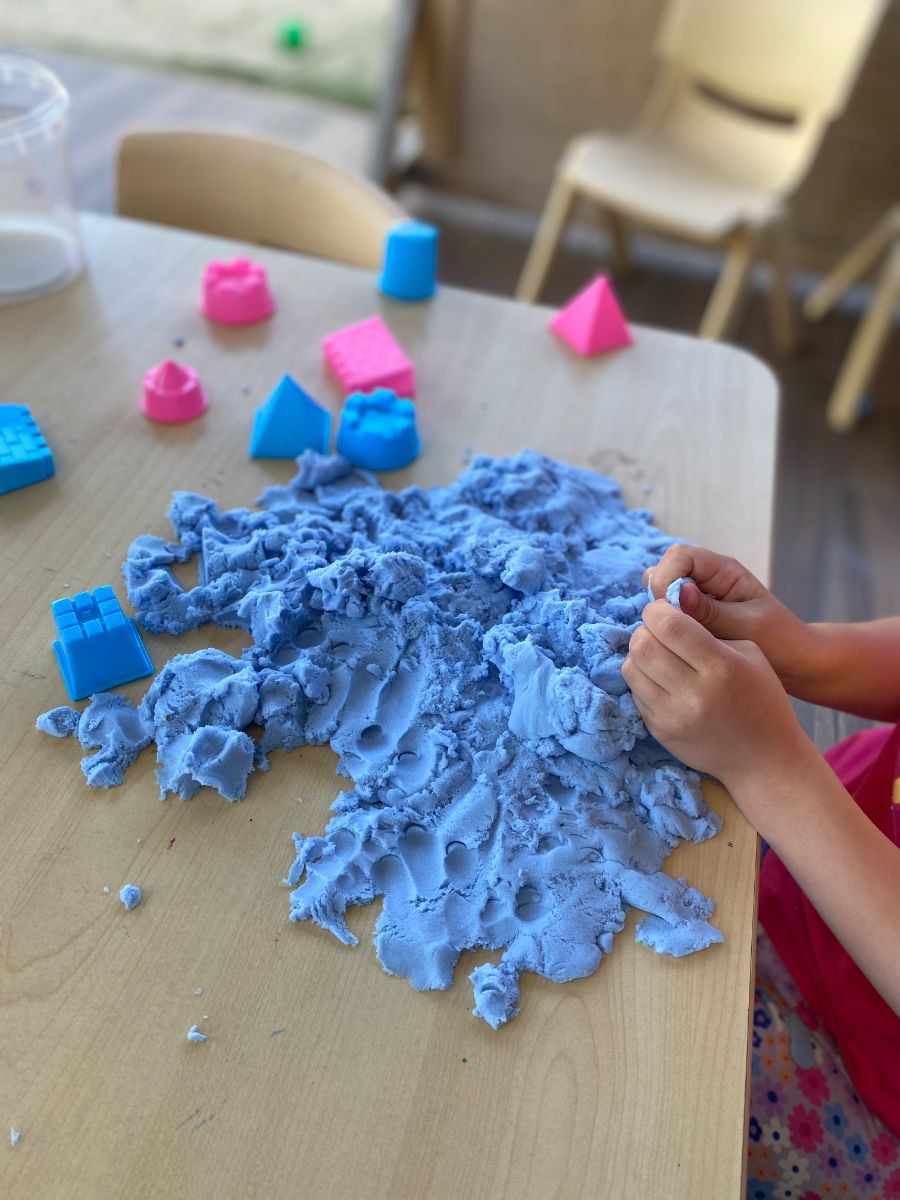
Children who seek sensory input might love crashing, spinning, loud noises and messy play, and seem "always on the go". Children who avoid sensory input might be distressed by noise, textures, tags or crowds, and try to escape busy environments. Many children are a mix, seeking some inputs and avoiding others.
Small changes often make a big difference: movement breaks, "heavy work" like carrying or pushing, calm spaces to retreat to, and predictable routines. An OT can help you understand your child's unique sensory profile and build strategies into everyday life. See how we support sensory processing & regulation →
We can help you make sense of it, and find strategies that fit your family.
Join the waitlist →